


Welcome to today’s reflection.
Each weekday, paid subscribers receive an exclusive reflection designed to offer a thoughtful pause amid ordinary life. My hope is that these brief pieces create a little space for curiosity, contemplation and wonder amid the noise of the day.
If you’ve recently joined us, you may also be interested in my new book, Sacred & Secular: Find God in the Ordinary, which brings together some of the most popular and thought-provoking essays from this journey so far.
I have written before here about a profound experience I had with God as a teenager.
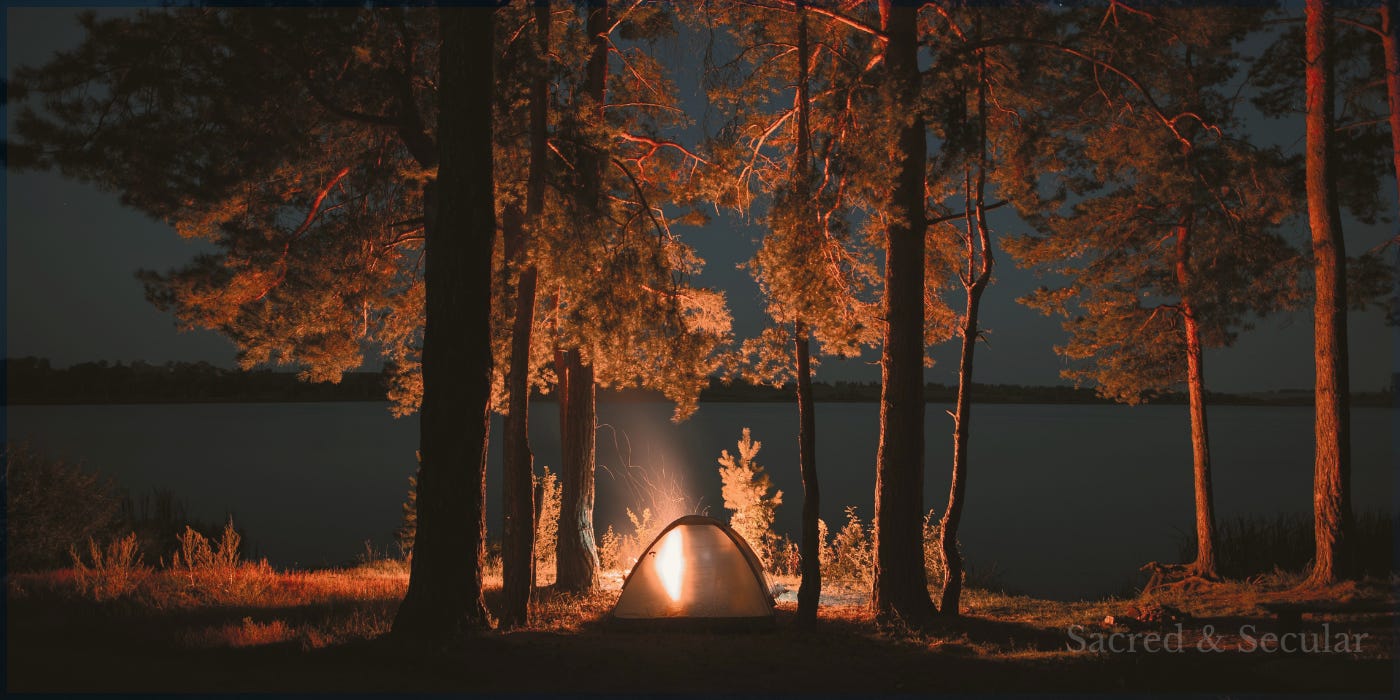
It happened while I was away at a Christian youth camp. One evening, something happened that I still struggle to describe adequately. The encounter was so overwhelming that I ended up alone in my tent, sobbing. I cannot explain exactly what took place, only that I came away utterly convinced that God was real.
It remains one of the defining moments of my life, and in many ways I have spent the decades since trying to make sense of it and work out what it means for me.
You might expect an experience like that to have turned me into a lifelong churchgoer. Looking back, I probably assumed it would. If you had asked my teenage self what came next, I would have imagined a straightforward journey of growing faith, regular church attendance and an ever-deepening relationship with God.
That is not what happened.
I genuinely tried to find somewhere I belonged. I threw myself into church life with enthusiasm, eager to learn and to grow. Yet the longer I stayed, the more uncomfortable I became.
There were rules that nobody seemed able to explain.
Practices that people defended simply because they had always been done that way.
Adults who often spoke to young people as though asking questions was somehow a sign of rebellion rather than curiosity.
There also seemed to be a surprising amount of pretending. People saying things they did not entirely believe, or appearing certain about matters that, privately, seemed far more complicated.
As a teenager, I found all of this deeply confusing.
