


Welcome to today’s reflection.
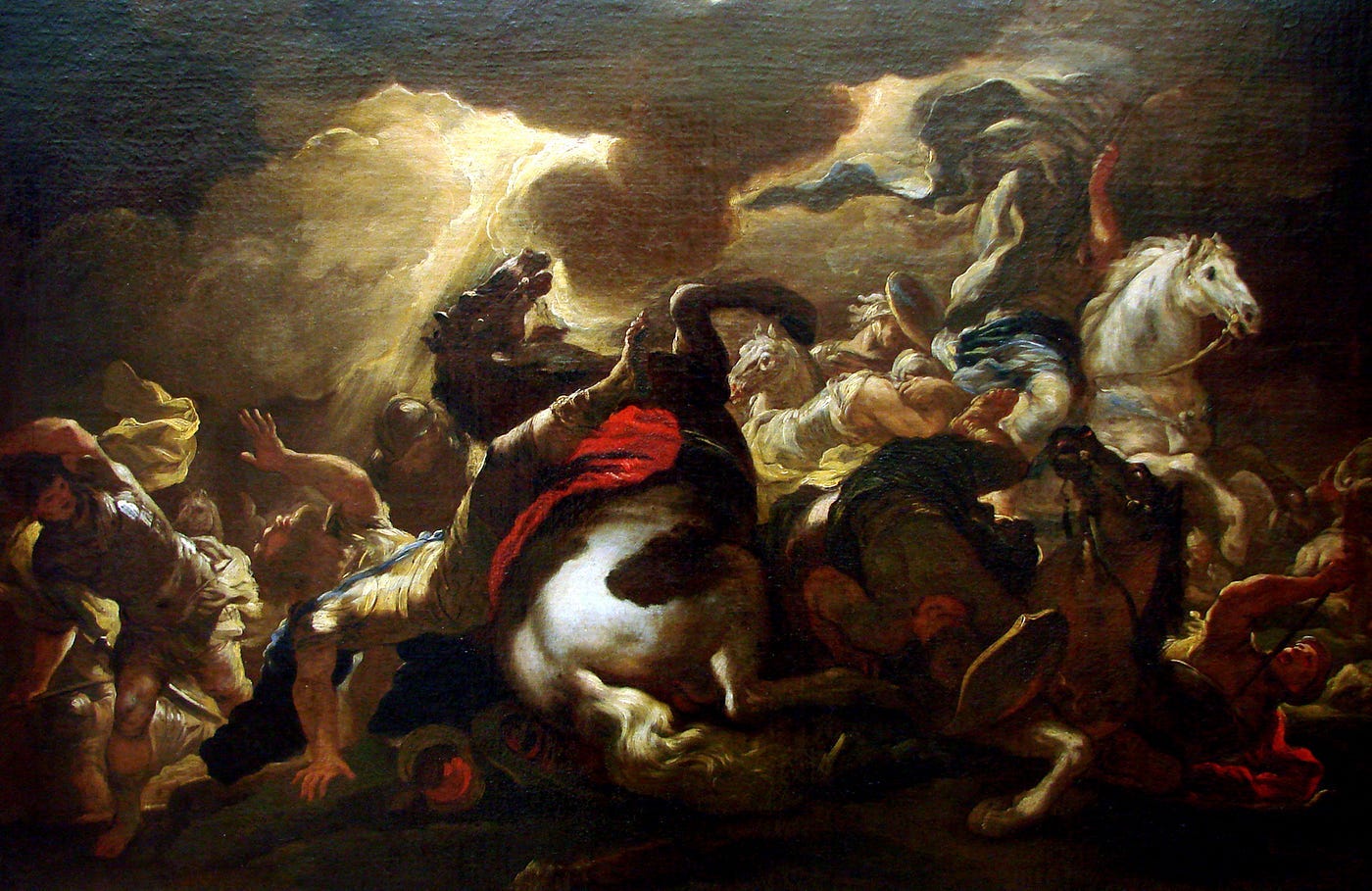
Some churches this Sunday will focus on us on one of the most familiar turning points in Christian history: the conversion of Saul.
It’s the kind of story we’ve heard so often that it can start to sound like a dramatic anecdote rather than a living invitation.
But I keep coming back to it for one reason: it reminds me that faith isn’t mainly about being right.
It’s about being transformed.
The Church did not spread over the world because it was powerful.
It became powerful because something happened to people first.
That reversal is easy to miss when we look back across two thousand years of Christian history. Christianity can feel inevitable now, as though it spread because it was persuasive, organised, and eventually respectable. As if it won the argument and settled comfortably into shaping the world.
But that is not how it began.
Jesus had risen and appeared to hundreds of ordinary people. They were convinced that something extraordinary had happened, but they were neither powerful nor protected. There was no institutional backing, no political advantage, and no social safety net. Those who spoke openly about Jesus faced ridicule, imprisonment, violence, and death. At this stage, Christianity looked less like a movement destined for global success and more like a fragile and dangerous sect.
Yet, it spread.
So how did we get from there to a worldwide Church?
