


Welcome to Wednesday’s reflection.
Each weekday, paid subscribers receive an exclusive reflection designed to offer a thoughtful pause amid ordinary life. My hope is that these brief pieces create a little space for curiosity, contemplation and wonder amid the noise of the day.
Some readers have told me they also enjoy having these reflections away from the screen, which is one reason I also collected them into a paperback: Sacred & Secular: Finding God in the Ordinary. Amazon UK or USA.
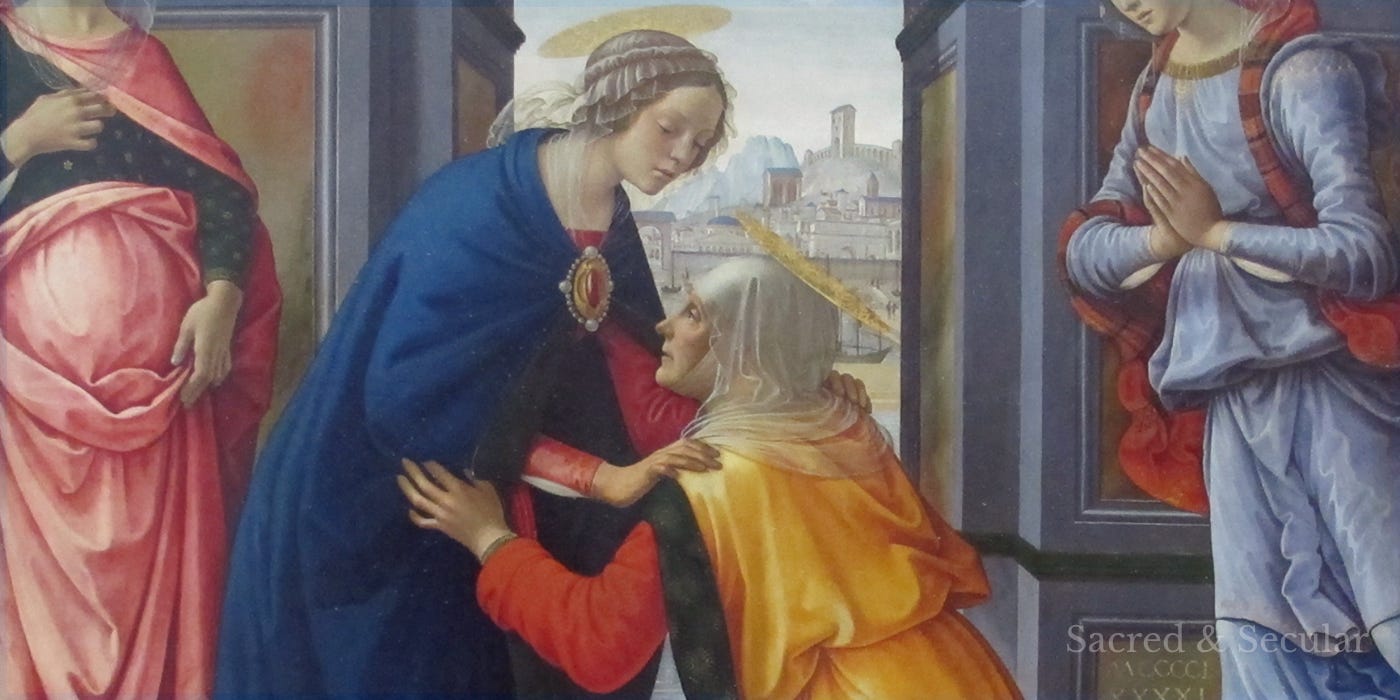
This Saturday, many churches will celebrate Mary, the mother of Jesus. The reading appointed for the day is one of the most familiar songs in the Bible.
It may also be one of the least noticed.
I do not mean that we never encounter it. Mary’s song, traditionally called the Magnificat, has been whispered in monasteries, chanted in cathedrals, sung in small country churches and set to music by some of the world’s greatest composers. In churches that say Evening Prayer, its words are repeated day after day.
I have heard the Magnificat more times than I could possibly count, which may be part of the problem. Familiarity has a way of softening things. Words can become so beautiful that we stop noticing what they actually say.
The Magnificat is certainly beautiful, but it is not gentle background music. It is a song about power, pride, hunger, wealth and the kind of world God intends to create.
And the more carefully I read it, the less harmless it seems.
