


How are you finding Lent this year?
I hope and pray that my reflections are helping you slow down and pause, if only for a moment, during the day.
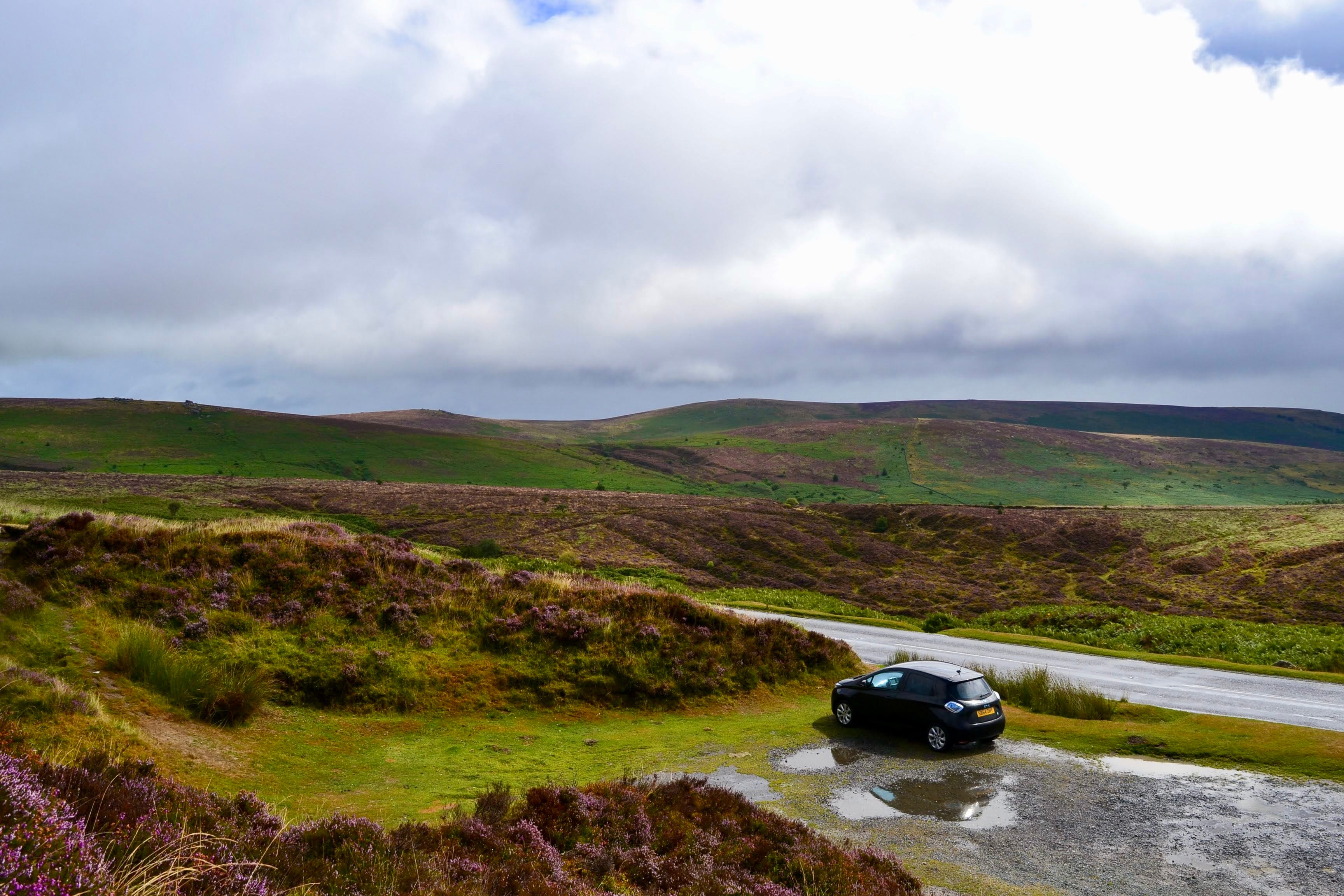
Today I want to reflect on silence — and what it means to live in the gap.
There is a particular kind of silence that unsettles us.
Not the peaceful kind. Not the quiet you choose. But the kind that arrives uninvited and lingers longer than expected. The kind where you are not sure whether anything is happening at all.
We are not very good at that kind of silence. We reach for noise, distraction, or explanation. Anything to fill the gap. Anything to reassure ourselves that something is still moving.
And yet, Lent has a way of leading us straight into it. I always find that part difficult. I like movement.
Gently and persistently, it strips things back. It removes some of the noise. It creates space we did not ask for. And in that space, we begin to notice just how uncomfortable silence can be.
Scripture is full of these long stretches where very little seems to happen on the surface. Moments when people wait, not for minutes or days, but for years, sometimes generations, without clear direction or visible progress.
Abraham waited for a promise that seemed increasingly unlikely.
Israel waited for freedom that felt perpetually out of reach.
David waited for a throne he had already been told would be his.
The exiles waited for a home they could barely remember.
Waiting is not a side note in the biblical story. It is one of its central themes. And still, it remains one of the most uncomfortable parts of faith.
We prefer clarity. We want movement. We like to know where things are heading. Waiting asks us to live without those things, and that can feel deeply unsettling.
