


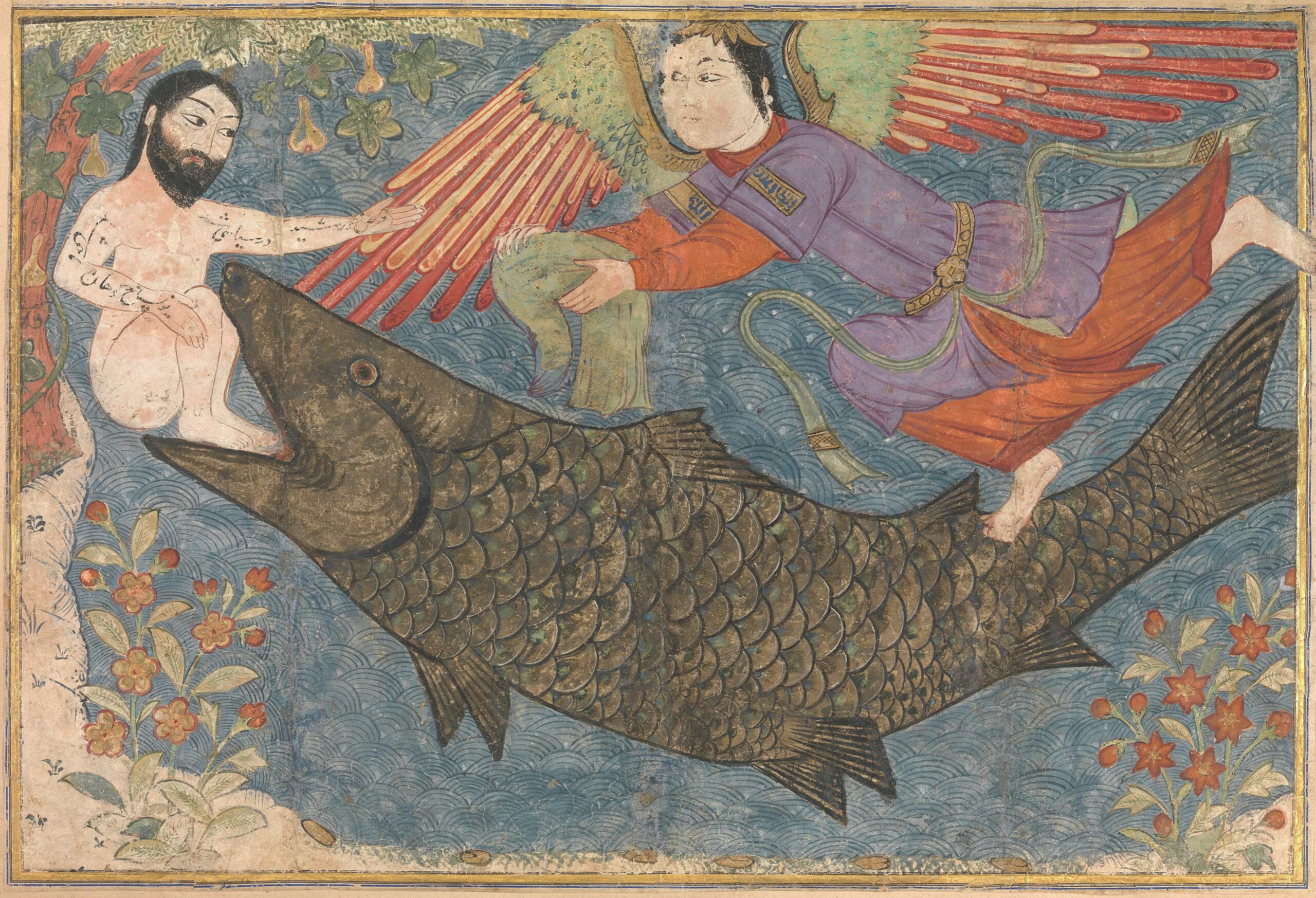
Today’s reflection turns to Jonah, a story that refuses to behave and a question God still asks us now.
Some stories in Scripture refuse to conform to the nice, polite society we belong to. Rather than sitting quietly in the corner, offering comfort, they climb onto the table, kick over the mugs, and ask the kind of questions polite Christians would rather not answer.
Jonah is one of those stories.
Before we even meet the reluctant prophet, the world of 2 Kings has already been portrayed as a violent place, largely due to Assyria's influence.
Assyria wasn’t just a nuisance; it was a nightmare. They invaded, deported and laid siege to neighbouring countries.
These weren’t mere historical footnotes; they were national traumas. Kings like Tiglath-Pileser and Shalmaneser didn’t simply conquer; they uprooted whole populations, starved cities into collapse, and made cruelty a political art form. Israel carried these scars in its collective memory.
So when Jonah is told to go to Nineveh, he isn’t dodging an awkward sermon slot. He’s being asked to walk into the capital of the exact same empire that destroyed his people. It would be like being sent to preach repentance in the heart of a regime that has shelled your home, imprisoned your family, or wiped out your village.
Which is absurd, offensive and must have seemed impossible.
So, Jonah runs, and his audience would have applauded.
