


Each Sunday, Sacred & Secular offers a free reflection exploring where faith, doubt, and everyday life meet.
Whether you are deeply religious, spiritually curious, or simply looking for something thoughtful to carry into the week ahead, you are warmly welcome here.
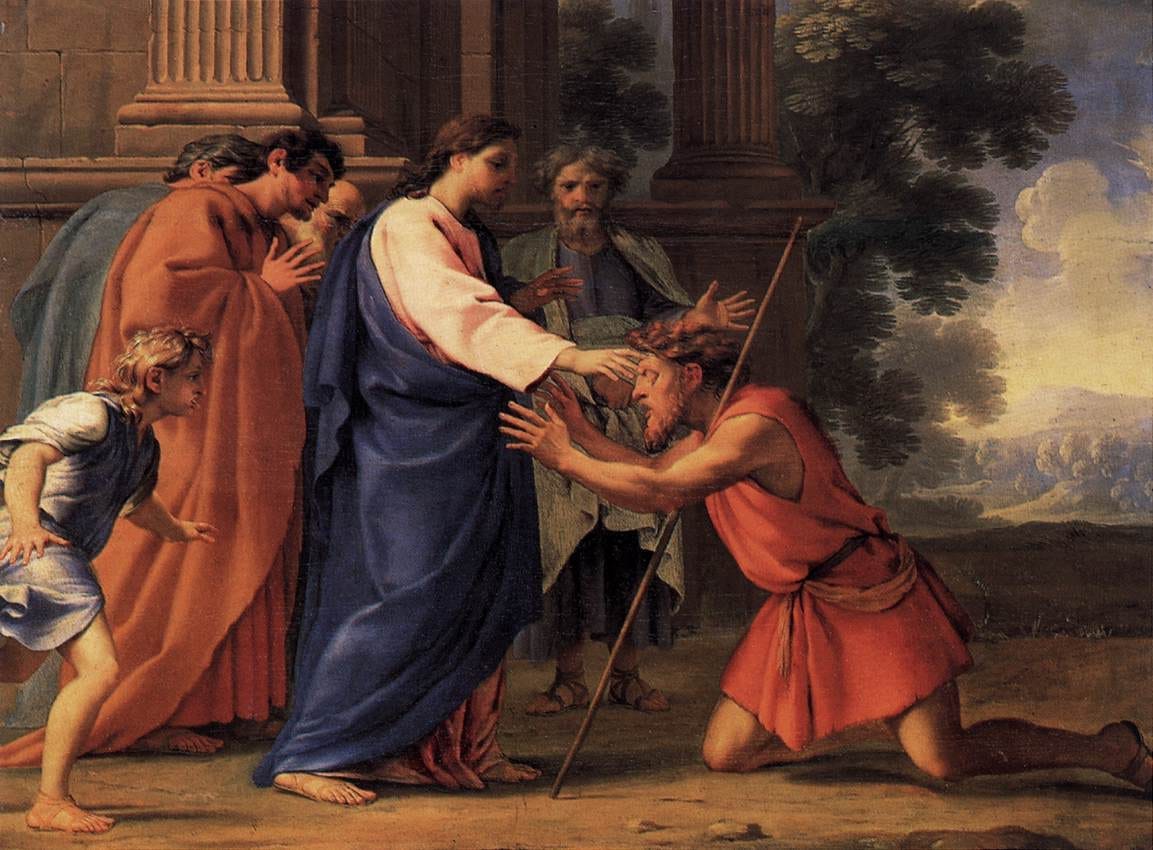
If you read the Gospels closely, you’ll notice something odd. When Jesus performs a miracle, heals someone or casts out a demon, he often says something that feels completely counterintuitive:
“Tell no one.”
“Don’t spread this around.”
“See that you don’t tell anyone what has happened.”
It’s strange, isn’t it? If the goal was to grow a following, build momentum, and get his message out to as many people as possible, wouldn’t he want the publicity? Wouldn’t he want the crowds to come flocking around him?
But Jesus was not running a marketing campaign. He was carrying a heavy, cross-shaped mission.
The Dangerous Spotlight
Every miracle that Jesus performed drew attention, and attention was a dangerous thing.
Herod was already suspicious. The religious leaders were furious. The crowds were unpredictable, desperate, sometimes even violent in their need for hope.
Each time Jesus healed someone or fed thousands, the noise around him grew louder. People started whispering that maybe he was the promised king. Maybe this was the one who’d overthrow Rome and restore Israel’s glory, and Jesus knew where that kind of talk led.
It would speed up the process that would ultimately end with his death.
He wasn’t afraid of dying; he knew what was to come, but he wasn’t reckless either. He knew he had a mission to do first. More to teach and show. The cross had to come at exactly the right time, not as a tragic accident of fame, but as the deliberate act of love that would change everything.
Miracles Were Never the Point
Jesus didn’t perform miracles to dazzle anyone.
He wasn’t trying to build a brand, impress the crowds, or outdo the magicians of the day. Every miracle had a purpose, not to wow, but to reveal.
When he healed the sick, it wasn’t a stunt. It was a glimpse of the world made right.
When he fed the hungry, it wasn’t just lunch; he was demonstrating a kingdom where no one goes without.
When he calmed a storm, it wasn’t about showing power; it was about revealing peace in the chaos.
The miracles always pointed to a bigger truth. They were signs, not spectacles. They showed that the kingdom of God was never far away and could break through at any time.
The Kingdom, Not the Crowd
Jesus wanted people to see beyond the event itself.
He wasn’t building an audience; he was building a kingdom, and the problem was that this kingdom looked nothing like what the crowds expected.
They wanted a political revolution. He was bringing a spiritual renewal.
They wanted liberation from Rome. He offered liberation from fear, shame, and death.
So when he said, “Don’t tell anyone,” it wasn’t about secrecy for its own sake. It was about keeping the message pure and not hijacked by hype or distorted by misunderstanding.
He didn’t want people chasing miracles. He wanted them to seek the One behind them.
A Love That Refused to Be Shallow
There’s something deeply moving about that restraint. Jesus consistently turned away from getting public applause for his actions because he didn’t need other people to validate what he was doing.
Every act of healing, every act of mercy, flowed from love, and love doesn’t need a stage or spotlight.
That’s the kind of power that changes the world: quiet, steady, unselfish.
Not the power that shouts, “Look what I can do!” but the power that whispers, “Look at what love can do.”
He refused to let his identity be defined by people’s expectations. He wanted it to be revealed through what people experienced — grace, forgiveness and transformation.
The Secret of Real Success
There’s a line in Mark’s Gospel where Jesus says to his disciples, “To you has been given the secret of the kingdom of God.”
That secret isn’t about strategies, platforms, or influence. It’s about a way of seeing the world where love is the logic of everything.
The success Jesus modelled wasn’t about doing more or achieving anything; it was about being more present to God’s kingdom, and seeing it already breaking into the world.
That’s the same invitation we’re given today. Not to dazzle, not to impress, not to curate the perfect life, but to live in such a way that people catch glimpses of heaven in the ordinary.
Listening Instead of Performing
Maybe that’s why, so often, Jesus ended a story or miracle with a question.
“Are you listening?”
“Do you still not understand?”
He seemed to be frustrated that his followers could not see the world in this way.
We, too, live in a culture that celebrates noise over depth, spectacle over sincerity, performance over presence. Just try scrolling through TikTok for evidence of that.
But the kingdom of God is still moving quietly, right now.
A Slow, Beautiful Kingdom
Jesus didn’t want to speed up the mission he was on because he knew the mission was the point. The kingdom he was pointing to couldn’t be rushed, packaged, or monetised. It had to be glimpsed by going slowly, like yeast in dough or a seed in soil.
Maybe that’s the real miracle, that two thousand years later, the same kingdom is still growing in hidden corners of the world, in quiet acts of faith and in lives changed not by spectacle, but by love.
The question is the same now as it was then:
Are we listening?
Are we letting Jesus shape our expectations of success and power?
Or are we still chasing miracles when the miracle is already close?
Thank you for reading Sacred & Secular.
If today’s reflection resonated with you, consider subscribing to receive new articles directly in your inbox. Free subscribers receive Sunday reflections, while paid subscribers receive additional pieces daily.
Wherever you are on your journey, may you notice grace in the ordinary this week.
Paul.
This really nails somethig important. The distinction between signs and spectacles is huge, especially when we think about how much modern spiritulity is about experience-chasing. I've noticed in conversations with folks exploring faith, there's often this expectation that truth should come with fireworks, but transformation usually happens quietly.
Thank you for this article. Can you recommend the best book or two to rightly understand Jesus's miracles?