


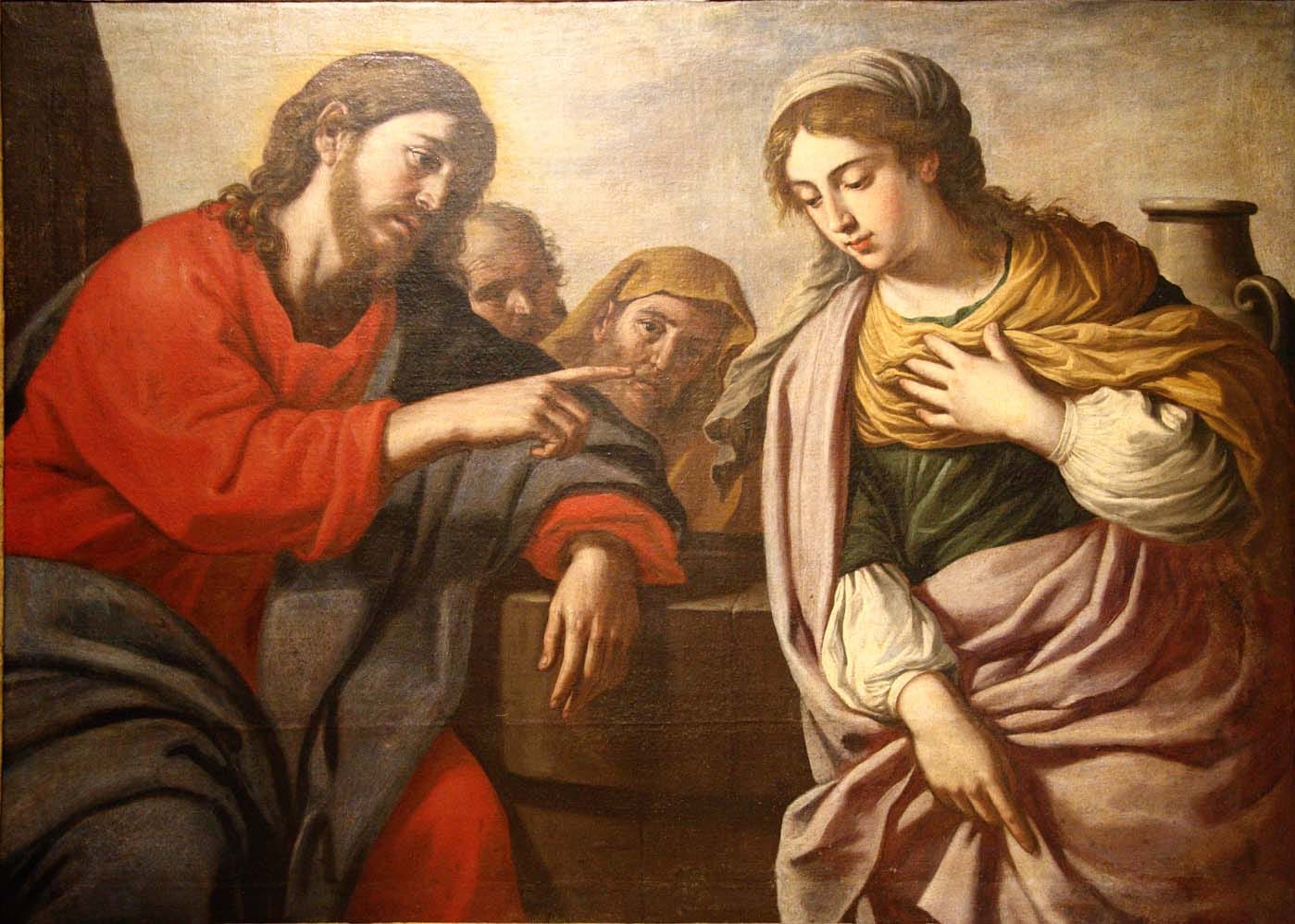
This Sunday’s lectionary reading in many churches includes the encounter between Jesus and the Samaritan woman at the well (John 4). It is one of those Gospel stories that never quite stops revealing new layers.
I recently wrote about this passage and how we sometimes put up barriers when God gets too close. If you missed that reflection, you can read it here: Why We Keep Putting Up Barriers to God.
But the story contains another small detail that deserves attention, especially if you happen to hear it read in church this weekend.
It concerns the time of day.
There is a small detail in the story of the Samaritan woman at the well that many readers skim past.
John tells us that the encounter took place at about noon.
At first glance, it looks like a simple narrative marker, the kind of detail that simply situates the scene. But in the world of the first century, it carries more significance than we might initially realise.
Drawing water was demanding work. Heavy jars had to be lowered into the well, filled, and lifted again before being carried home. In a hot climate, this was normally done early in the morning or later in the evening when the air was cooler.
Midday was the worst possible time to do it.
Which raises a question that hovers quietly over the story.
Why was she there then?
